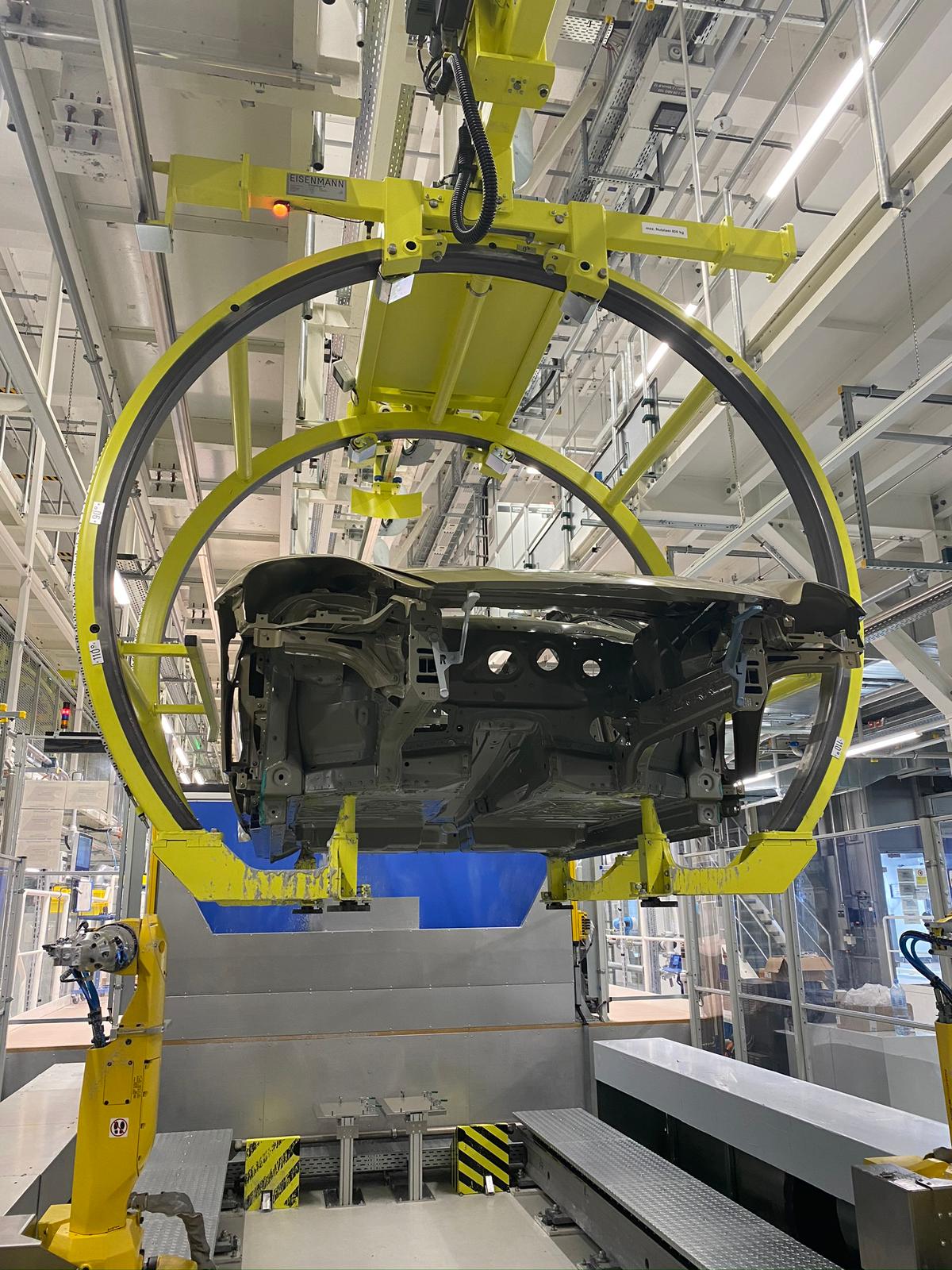



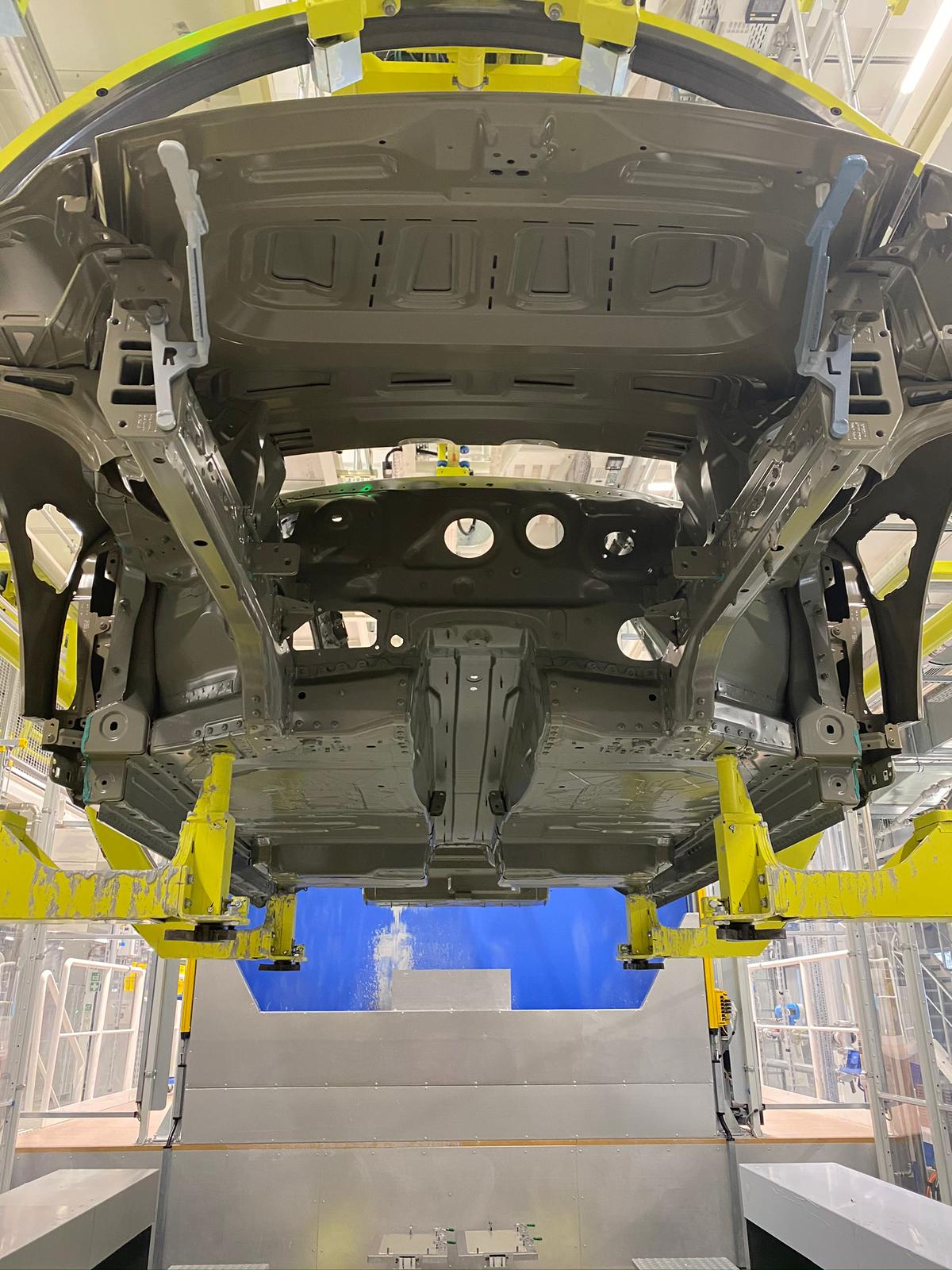

Why are projects in the automotive industry particularly challenging?
The automotive industry is one of the more demanding customers in the world of industrial assembly. The reasons are clear: strict quality standards, zero tolerance for production line downtime and complex systems that include robotics, painting, welding and automated conveyor systems. Any failure in the electrical integration is directly reflected in the speed and reliability of the entire line. In addition, customers from the automotive sector require comprehensive project documentation, equipment certification and regular inspections. The contractor must be able to coordinate teams of electrical installers and mechanical installers in parallel, without mutual jams and conflicts in schedules. This requires an experienced project manager and a proven work process.
What does a successfully completed electrical assembly project look like in practice?
A successful project in the automotive industry begins with a careful analysis of the client's needs and the preparation of project documentation. This is followed by the selection of certified equipment, the deployment of installation teams and the establishment of clear communication channels between all participants. During implementation, daily monitoring of progress, adjustment of schedules according to field conditions and real-time resolution of technical challenges are crucial. The project is completed by phased testing, ensuring a safe start and handing over the documentation to the client. Reference projects in the field of automated paint shop, assembly of control cabinets and PROFINET network infrastructure prove that properly executed electrical installation is the foundation for stable and long-term reliable operation of the entire plant.
.jpg)